


Week 1 of a four-part series on building career resilience.
Week 1: You vs the Robot
Week 3: Stop Waiting to Be Discovered
Week 4: Developing Cross-Domain Fluency
The Mood of the Market
When I asked students what worried them most about entering the job market right now, the answers were blunt and consistent:
Too many applicants, not enough roles (43%)
Lack of real-world experience (33%)
Not knowing what companies actually want (19%)
AI replacing the work I’m trained to do (5%)
At the same time, 78% reported using AI tools daily in coursework or job searching. That contrast matters as AI isn’t theoretical to this generation, it’s already embedded in how they work. The concern is not whether AI will affect employment, but how individuals should approach career planning in response.
The Core Shift: From Job Titles to Capabilities
The labor market feels unstable because it’s re-pricing work faster than people can adapt. AI compresses execution, which means value no longer comes from doing tasks but from:
Asking the right questions
Directing systems (human + machine)
Verifying and improving outcomes
This is why resumes feel less effective and referrals matter more. Companies aren’t hiring for static skills, but for people who can navigate ambiguity.
3 Capabilities to Build Career Resiliency
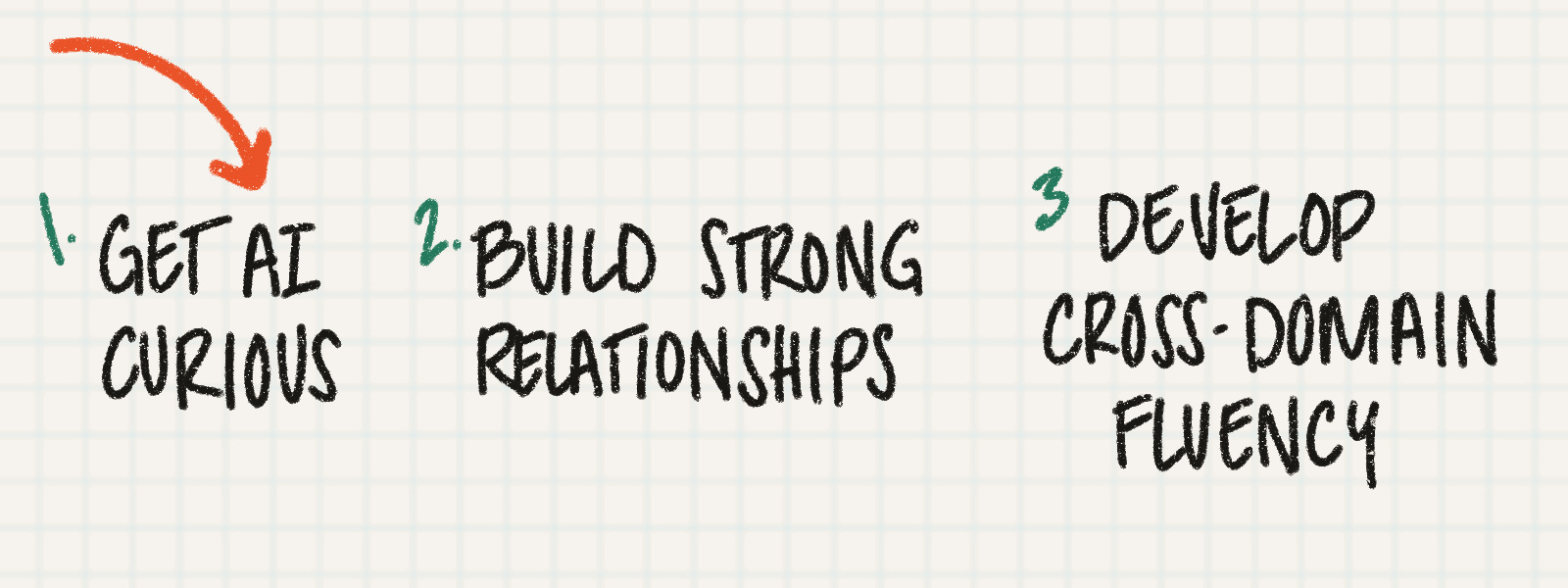
I shared with the graduate students three capabilities that all of us need to build in order to have a resilient career in the age of AI.
Capability 1: Get AI Curious (Not AI Afraid)
AI anxiety often shows up as a single thought: AI will be able to do my job.
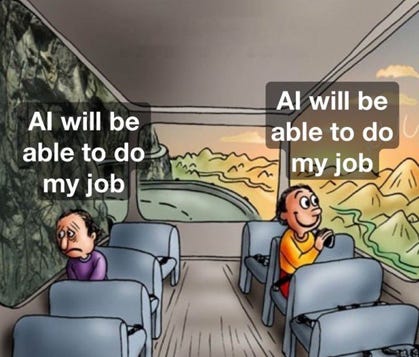
Although job roles include technical tasks such as typing speed and task volume that AI can replicate, the value of human work extends beyond the mechanical actions machines can imitate. As execution becomes commoditized, careers will be built on the ability to exercise judgment and handle ambiguity, including defining the right problem, selecting an appropriate approach, weighing tradeoffs, and taking responsibility for outcomes.
What “AI Curious” Actually Means
Being AI curious is not about becoming a machine learning engineer. It’s about learning how to:
Experiment with 1–2 core models regularly
Understand how models break, hallucinate, and fail
Building workflows where AI drafts and you decide
In practice:
Let AI write the first version
You refine, contextualize, and validate
This mirrors how senior professionals already work with junior teammates. AI is becoming your newest (very fast) coworker.
Key insight from the room: STEM students already use AI daily, but mostly tactically. The gap is moving from usage to leverage.
Capability 2: Build Strong Relationships
One slide landed harder than any AI stat:
“70% of roles are filled through referrals and networks, not applications”-Scott Galloway
This isn’t new, but it’s more punishing now. When AI increases applicant volume, companies rely more heavily on trust signals and relationships become an easy filter.
The Career-as-a-Bicycle Framework
Think of your career as a bike.
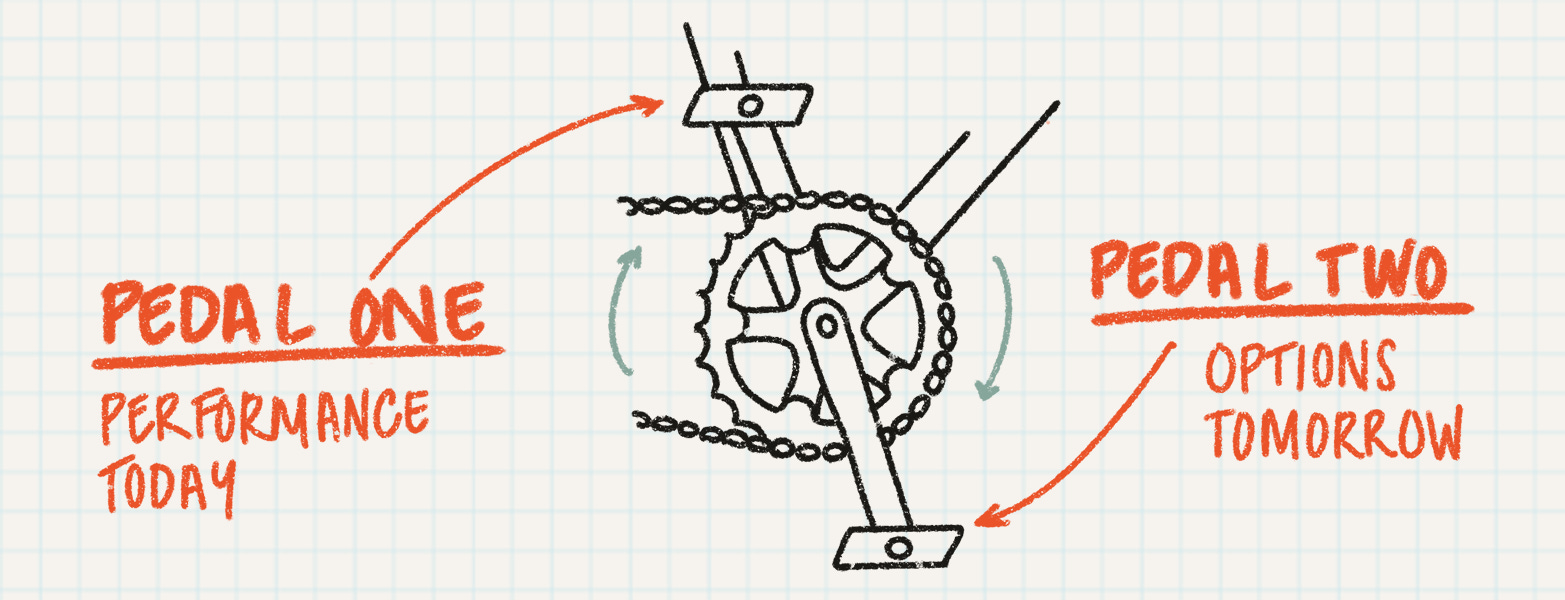
Pedal One: Performance Today
Do good work
Be reliable
Deliver results
Provides pay and promotions today
Pedal Two: Options Tomorrow
Relationships
Visibility
Optionality
Provides network and opportunities tomorrow
If you only pedal performance, your career stalls when conditions change. Relationships are what allow you to keep momentum and maintain resiliency amidst disruptions and layoffs.
What Relationship-Building Looks Like (Practically)
Not networking events or transactional coffee chats.
Instead:
Optimize your LinkedIn and engage weekly
Share what you’re learning (projects, GitHub, reflections)
Be a connector: introduce people without asking for anything
Students often say: “I don’t have anything valuable to share yet,” but I’ve previously written how easy it is to setup your LinkedIn, build you network, and start adding value.
Capability 3: Develop Cross-Domain Fluency
AI is improving at a breakneck pace, but it still struggles with asking the right question and verifying the results, a helpful framework from Erik Brynjolfsson at Stanford.
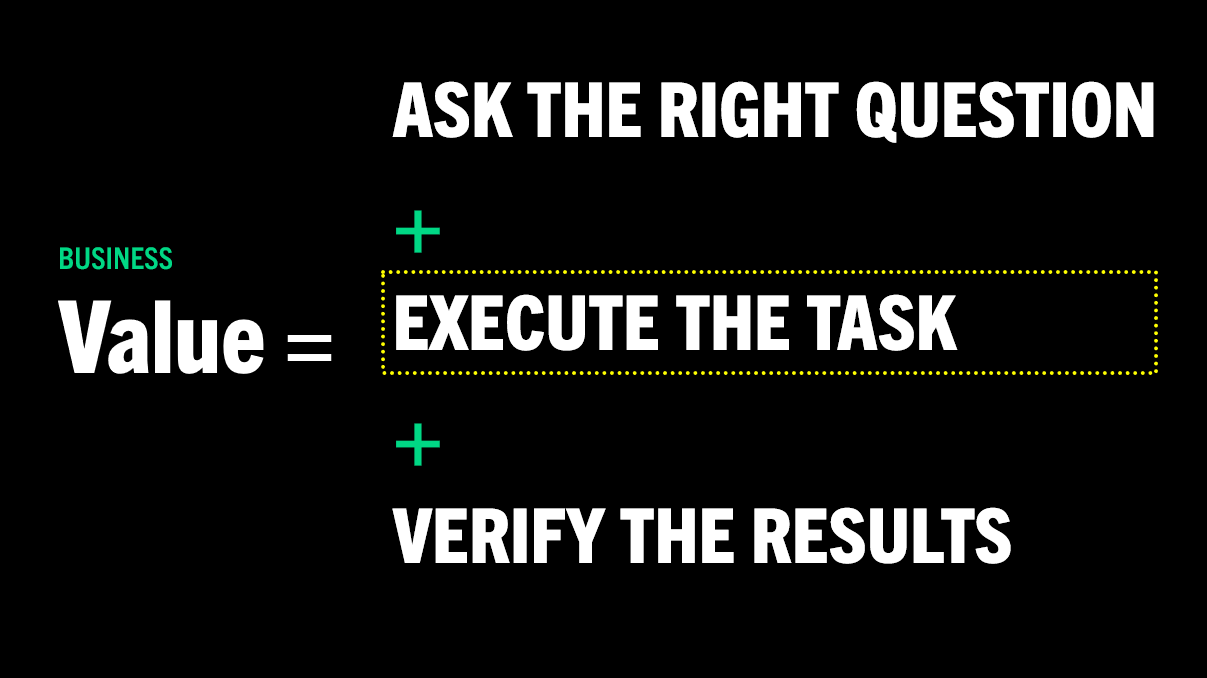
AI is getting increasingly excellent at the ‘Execute The Task’ part of the formula so the most resilient careers will be filled by people who can build strong judgement across multiple domains:
A primary domain (engineering, biology, analytics, design)
A secondary domain (business process, product, UX, operations)
This is how generalists beat specialists with AI.
Examples of High-Leverage Pairings
Engineering + Product thinking
Data science + storytelling
Domain science + customer insight
Technical depth + change management
You don’t need mastery in both. You need fluency.
How to Build It
Pick an adjacent domain (finance, supply chain, UX)
Talk to someone who works there—ask how decisions are made
Tackle a cross-functional project in class or at work
Cross-domain fluency makes you harder to replace because AI struggles with context-switching across incentives.
Career Fragility vs. Career Resilience
Careers become fragile when:
Identity is tied to a single tool
Skills are optimized for one workflow
Value comes only from execution
Careers become resilient when:
You can reassemble skills in new contexts
You build social and informational leverage
You treat AI as infrastructure, not competition
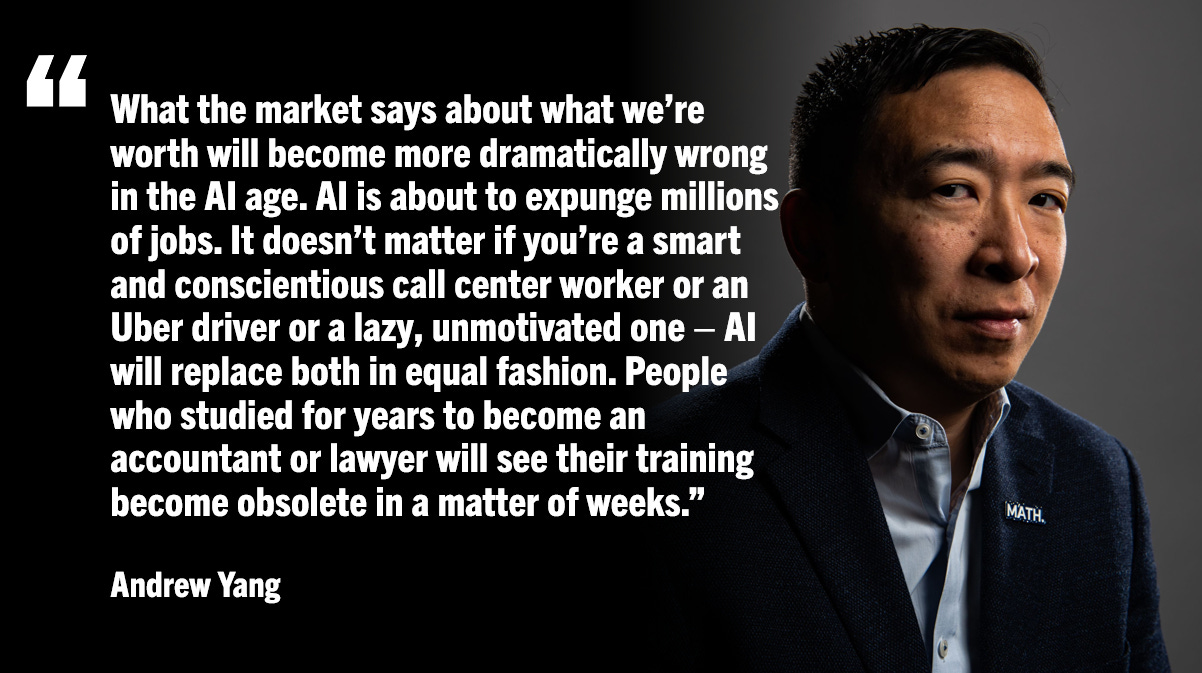
Your job is not to predict the future, but to stay adaptable inside it. This helps you to avoid the one-pedal trap of focusing on performance to the detriment of building a strong network that can support you amidst the inevitable job layoffs and disruptions that will occur in the coming years.
The Bottom Line
The students were right to be uneasy. The market is tighter. AI is moving fast.
But the path forward isn’t panic or perfection, it’s capability-building across three areas.
Follow along for the next three weeks as we unpack how to build these capabilities.

Excited to keep reading? Below are popular posts from the archives:
Stop "Networking." Start Being Useful.

Networking gets a bad rap. Too often it’s seen as transactional, just a way to get something from someone else. I’ve written before about how networking can open doors to job opportunities, but only if you’re doing it the right way.
The Skill Everyone's Getting Wrong

Anthropic CEO Dario Amodei published an essay renewing his warning about the economic impacts of AI: