


I still remember how stressed I was preparing for my interview at Amazon. I’d spent hours researching the company, dissecting the job description, and practicing my responses, but I couldn’t shake the nerves. Looking back, that preparation made all the difference—not just for the interview but for my confidence walking into the room.
As a hiring manager who has interviewed countless candidates at Amazon, Microsoft, and beyond, I’ve seen what separates strong candidates from the rest. Too often, people fail to do the basics: researching the company, understanding the role, or prepare to share their career story.
Last night I conducted mock interviews with graduate students from the University of Washington and it reminded me how transformative good preparation can be. No matter what level you’re interviewing for, the strategies here will help you walk into your next interview with confidence and clarity.
Interview Prep: Start to Finish
1. Know the Company
I can’t tell you how many candidates I’ve interviewed who couldn’t tell me the first thing about the company or the team they were hoping to join. If you aren’t willing to do a little research before the interview, how can I trust that you’ll put in the effort once you’re on the job?
Here’s how to stand out:
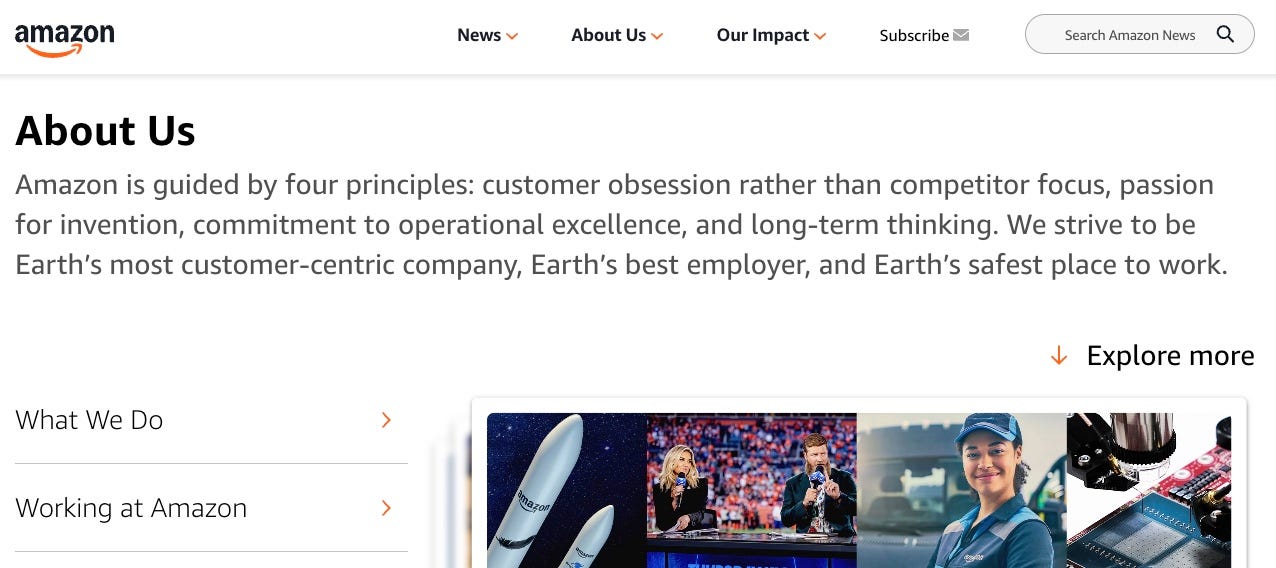
Start with the Basics: Visit the company’s website to review their mission, vision, and recent news. Most companies have a dedicated press release or news section where you can learn about their latest projects, achievements, or priorities. Use this information to craft thoughtful answers to questions like, “Why do you want to work here?” or “What interested you about our company?” Think of it like dating: no one wants to hear, “I’m interested because you’re available.” Instead, show that you’ve taken the time to understand who they are and why you’re a great match. Figure out what the company is doing that you find interesting and lean into that.
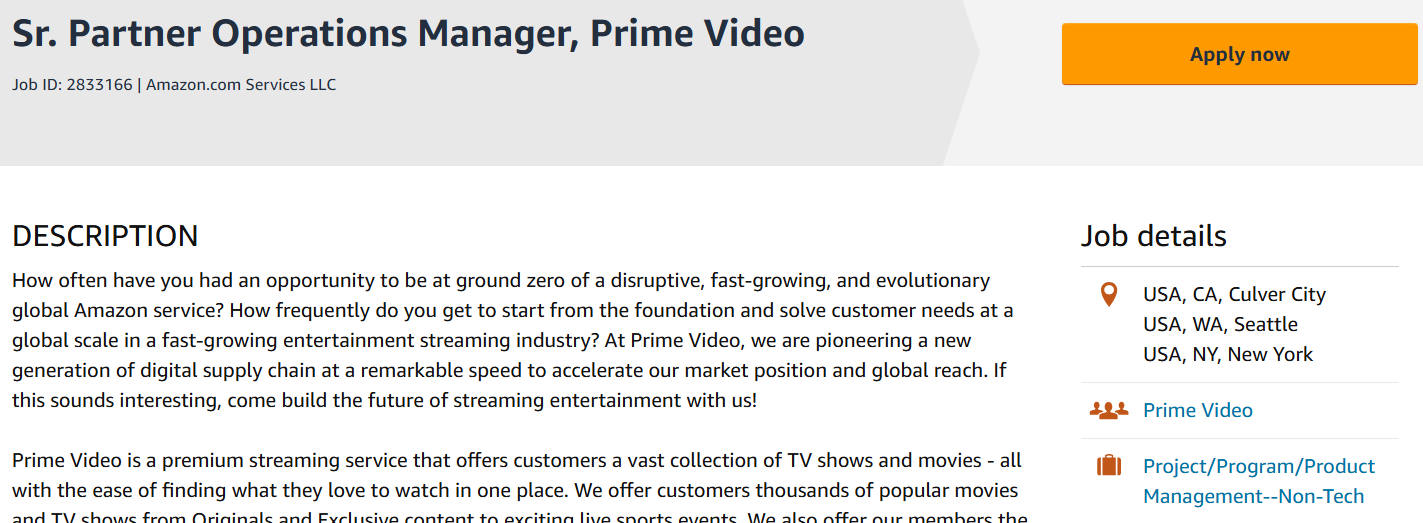
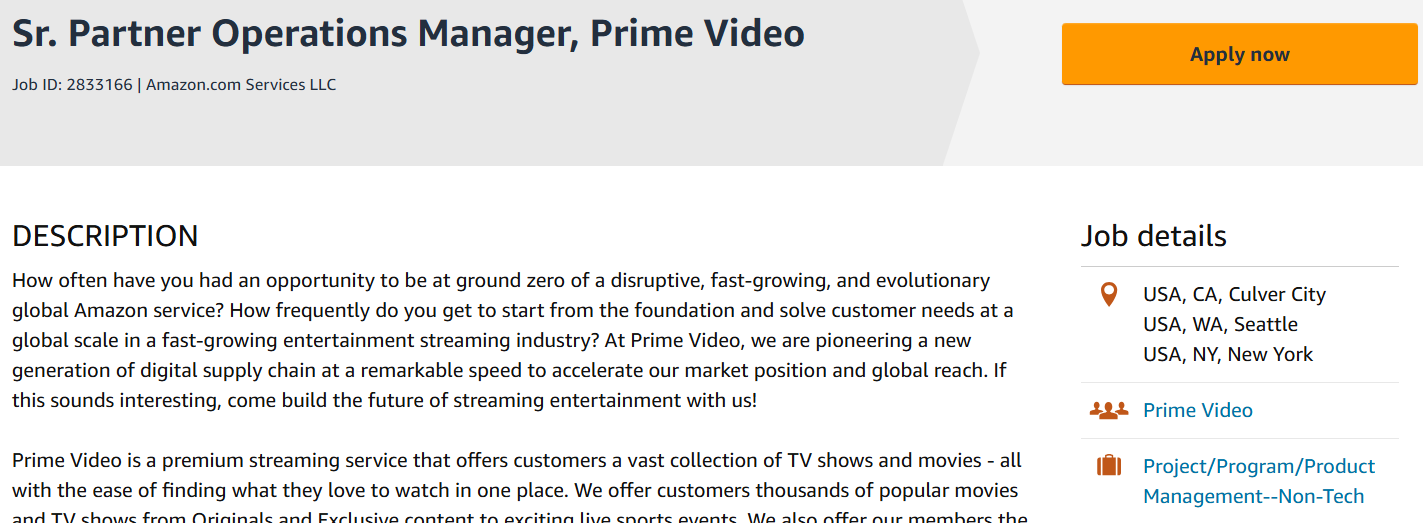
Understand the Team: Particularly at larger companies, take time to research the specific team. Review the job description you applied to and it will say the team in the title or the details. For example, the Amazon job description below is for a team on Prime Video.
If I were interviewing for this role then I would do a combination of searching for “Prime Video Amazon business news” articles on Google, Yahoo News, and Amazon’s internal site.
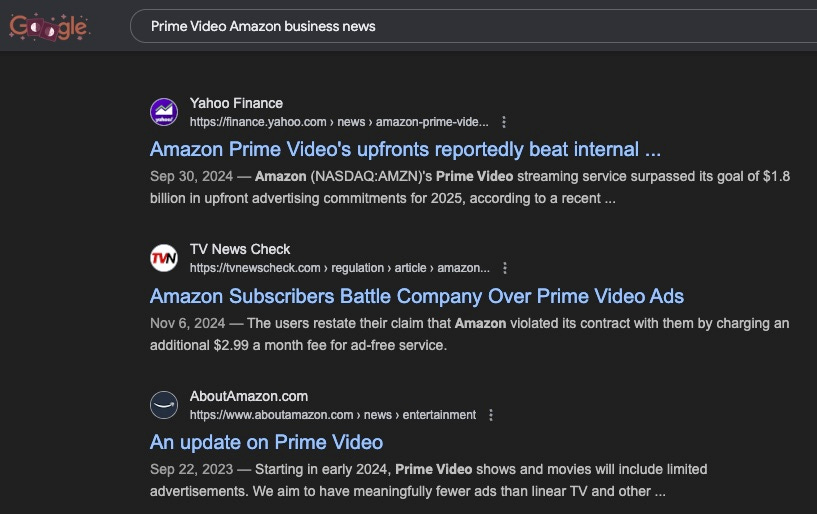
Understand the Industry: Read up on the company’s competitors, recent trends, or challenges in their space. Showing you know the broader context makes you look informed and invested.
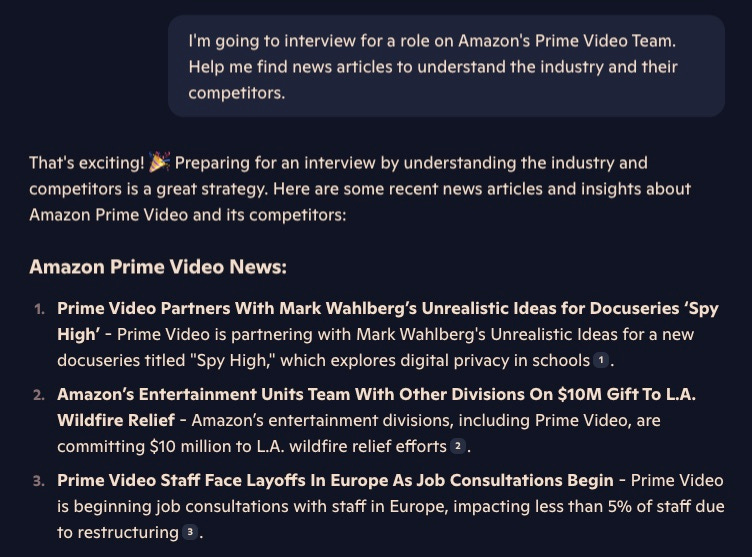
Pro Tip: During the interview, weave your research into your answers. For example, “I saw in your recent press release that you’re expanding into new markets. I’d love to bring my experience in ___ to support that initiative.”
2. Understand the Role
Hiring managers want to see that you’ve thoughtfully considered not just why you want to work at their company, but why this specific role is the right fit for you. This is where many candidates struggle—they aren’t able to clearly articulate why they’re interested in the role beyond general statements.
How to Prepare:
Understand the Why: Reflect on why you’re drawn to this role. Is it to advance your career, take on a new challenge, or because this type of work genuinely excites you? Be ready to explain how this role aligns with your personal and professional goals.
Connect the Dots: Identify the overlap between the role’s responsibilities and your skills or passions. For example, if you love project management, talk about how the role lets you build on that strength.
Understand the Role’s Purpose: Go deeper than the job description. Consider why the company is hiring for this position. Is it to scale a growing team? Bring structure to an existing one? Launch a new initiative? Understanding this context will help you position yourself as the ideal candidate.
Prepare Specific Examples: Use the job description to identify key responsibilities and skills, then craft examples from your experience that directly address those needs.
Pro Tip: When answering “Why this role?” don’t just talk about the company or team—focus on what excites you about this role specifically. For example: “I’m passionate about managing a team and I see this role as an opportunity to build on that experience while helping your team achieve [specific goal].
3. Prepare STAR-Based Responses
One thing I’ve consistently noticed as a hiring manager is that candidates who don’t use the STAR method often struggle to provide clear, focused answers. They ramble, include irrelevant details, or fail to articulate the “R”—the results of their actions—which is the most important part for demonstrating impact.
Behavioral questions like “Tell me about a time…” are designed to assess how you handle real-world challenges. At large companies like Amazon, the STAR method is the gold standard for answering these questions because it ensures clarity and structure.
How to Prepare:
Craft 5–7 STAR Stories: Identify examples from your experience that showcase skills like leadership, problem-solving, teamwork, and adaptability. Write them out in the STAR format to ensure they’re structured and impactful.
Practice Common Behavioral Questions: Prepare for questions such as:
“Tell me about a time you overcame a significant challenge.”
“Describe a situation where you resolved a team conflict.”
“Can you share an example of how you managed competing priorities?”
Keep It Concise: Aim for 2–3 minute responses. Stick to relevant details and avoid unnecessary tangents.
Pro Tip: Don’t skip the “R”—the results. Hiring managers want to know the measurable impact of your actions. For instance, instead of saying, “I handled the project well,” say, “I delivered the project two weeks ahead of schedule, increasing team productivity by 15%.”
4. Prepare for Common Interview Questions
While every interview is unique, there are common questions you should anticipate and prepare for. Having thoughtful, concise answers ready will not only boost your confidence but also help you make the most of your time with the interviewer.
General Questions:
Walk me through your resume and experience.
Tell me about yourself.
Why do you want to work at this company?
Why do you want this role?
Behavioral Questions:
Tell me about a time you solved a complex problem.
Describe a time you dealt with a difficult coworker.
How do you handle competing priorities?
Pro Tips:
Use the STAR Method: Even for “general” questions, the STAR framework can add depth and structure to your answers. For instance:
Tell me about yourself: Highlight a key accomplishment (“S”), your role or skills that made it possible (“T” and “A”), and how it aligns with the role you’re interviewing for (“R”).
Why do you want this role?: Share a specific moment or project that connects to the role’s responsibilities, using STAR to make your answer memorable.
Keep It Concise: Aim for answers that are 1.5–2 minutes long. Be substantive but avoid going too deep into details. If the interviewer wants more information, they’ll ask follow-up questions.
Prioritize Quality Over Quantity: Don’t spend 10 minutes answering one question—it wastes valuable time that could be used to highlight other strengths. Concise, impactful answers allow you to cover more ground.
5. Prepare Insightful Questions
Why It Matters: Shows you’re engaged, curious, and serious about the opportunity.
Sample Questions to Ask:
What does success look like in this role?
How do you measure performance in the first 90 days?
What do you enjoy about your company?
Can you tell me about the team I’d be working with?
Pro Tip: Avoid questions that can easily be answered by a Google search.
6. Mock Interviews and Practice
Why It Matters: Confidence comes with repetition.
How to Practice:
Conduct mock interviews with friends, colleagues, or career coaches.
Record yourself to analyze body language and tone.
Attend mock interview sessions (e.g., with career centers or mentors).
Pro Tip: Treat mock interviews as seriously as the real thing.
7. Logistics and Final Prep
Preparing for the logistical aspects of your interview is just as important as preparing your answers. A little effort here can go a long way in making a polished and professional impression.
Checklist for Success
Research Your Interviewers:
If you’re provided with the names of your interviewers, look them up on LinkedIn ahead of time. Understanding their background can help you prepare thoughtful, personalized questions, such as:
“I saw on LinkedIn that you’ve been with the company for six years. How have you seen the company grow during that time?”
Be Strategic: Avoid viewing their profiles on the same day as your interview, as LinkedIn notifies users when someone views their profile. This could give the impression that you’re cramming last-minute rather than being thoroughly prepared.
Prepare for the Format:
In-Person:
Bring multiple copies of your resume in a professional leather portfolio (like this one on Amazon).
Know the building location, parking details, and check-in instructions. Reach out to the recruiter if you haven’t received this information at least one week before the interview. It’s their job to provide this support, and clarifying these details in advance will help you avoid any last-minute stress.
Virtual:
Test your tech setup in advance to ensure your camera, microphone, and internet are working smoothly.
Use wired headphones if possible to avoid audio delays from Bluetooth devices.
Choose a distraction-free, well-lit environment with a neutral background.
Plan Your Outfit:
Research what’s appropriate for the company’s culture. Look at the company’s Instagram, LinkedIn, or website for photos of employees at work or events. This will help you decide whether to dress formally or go for a smart-casual look.
Pro Tip: When in doubt, it’s better to be slightly overdressed than underdressed.
Confirm the Details:
Double-check the interview time, location, or meeting link.
If anything is unclear, don’t hesitate to ask the recruiter for clarification. Recruiters are there to support you, and it’s far better to confirm details than risk a mix-up.
Ask for Help if Needed:
If you’re unsure about anything—whether it’s logistics, dress code, or interview structure—reach out to the recruiting manager. There are no “dumb” questions, and it’s unlikely to negatively affect the outcome of your interview.
Arrive Early:
Aim to arrive 15 minutes early, whether it’s virtual or in-person. This shows professionalism and gives you a moment to collect yourself before the interview begins.
Pro Tip: Preparation extends beyond just answers. Being organized, punctual, and polished in your approach creates a strong first impression and reinforces your professionalism. These small details can set the tone for a successful interview.
8. Follow Up After the Interview
Why It Matters: Following up shows professionalism, keeps you top of mind, and reinforces your enthusiasm for the role. It’s a simple step that can leave a lasting positive impression.
How to Follow Up:
Send a Thank-You Email:
Within 24 hours of the interview, send a personalized thank-you email to each of your interviewers.
If you don’t have their contact information, reach out to your recruiter. They can either provide the emails or, if the company keeps emails confidential, pass your message along to the interview team.
In your email, mention something specific from the conversation to show you were engaged and listening. For example:
“I appreciated our discussion about the company’s expansion plans and how this role supports that growth.”
Reiterate your interest in the role and thank them for their time.
Send a LinkedIn Connection Request:
After your thank-you email, visit their LinkedIn profiles and send a polite connection request with a short message:
“Thank you for your time today. I appreciated the opportunity to interview and look forward to hearing from the team!”
This step reinforces your interest and ensures you remain connected professionally, even if you don’t get the role.
Pro Tip: Keep your tone professional but warm in both your email and LinkedIn message. Thoughtful follow-up not only shows respect but also demonstrates your attention to detail—qualities every hiring manager values.
A Word of Encouragement
Preparing for an interview can feel daunting, but with the right approach, you’ll set yourself apart from the competition. Here’s what to remember:
Research the company and role thoroughly: Understand their goals, challenges, and what they’re looking for in a candidate.
Use the STAR method: Structure your answers to showcase your experience clearly, concisely, and compellingly.
Practice, practice, practice: Confidence comes with preparation, so rehearse your answers, refine your delivery, and anticipate common questions.
Interviews are opportunities to demonstrate not just your skills but also your dedication, professionalism, and fit for the role. By taking the time to prepare, you’ll walk into your next interview with confidence and clarity.
If you found this guide helpful, share it with friends, classmates, or colleagues who are preparing for interviews. Sometimes, a little preparation is all it takes to turn nerves into success!

Looking for personalized interview or career support?
Partner with me for 1:1 coaching to create a personalized action plan that will help you prepare with confidence. Whether you need help refining your STAR stories, crafting a winning resume, or developing a long-term career strategy, I offer confidential guidance and accountability. With experience as a hiring manager at Fortune 500 companies like Amazon and Microsoft, I know what it takes to stand out—and I can help you land the role you’re aiming for.